US prices from official stores, checked on October 29, 2026 · 45 products compared · no paid scores

Head-to-head

Bigscreen Beyond 2 vs Pimax Crystal Super (QLED): head-to-head

Of 7 decided criteria, the Bigscreen Beyond 2 wins 3 and the Pimax Crystal Super (QLED) wins 4. Official data, US prices checked on October 29, 2026.

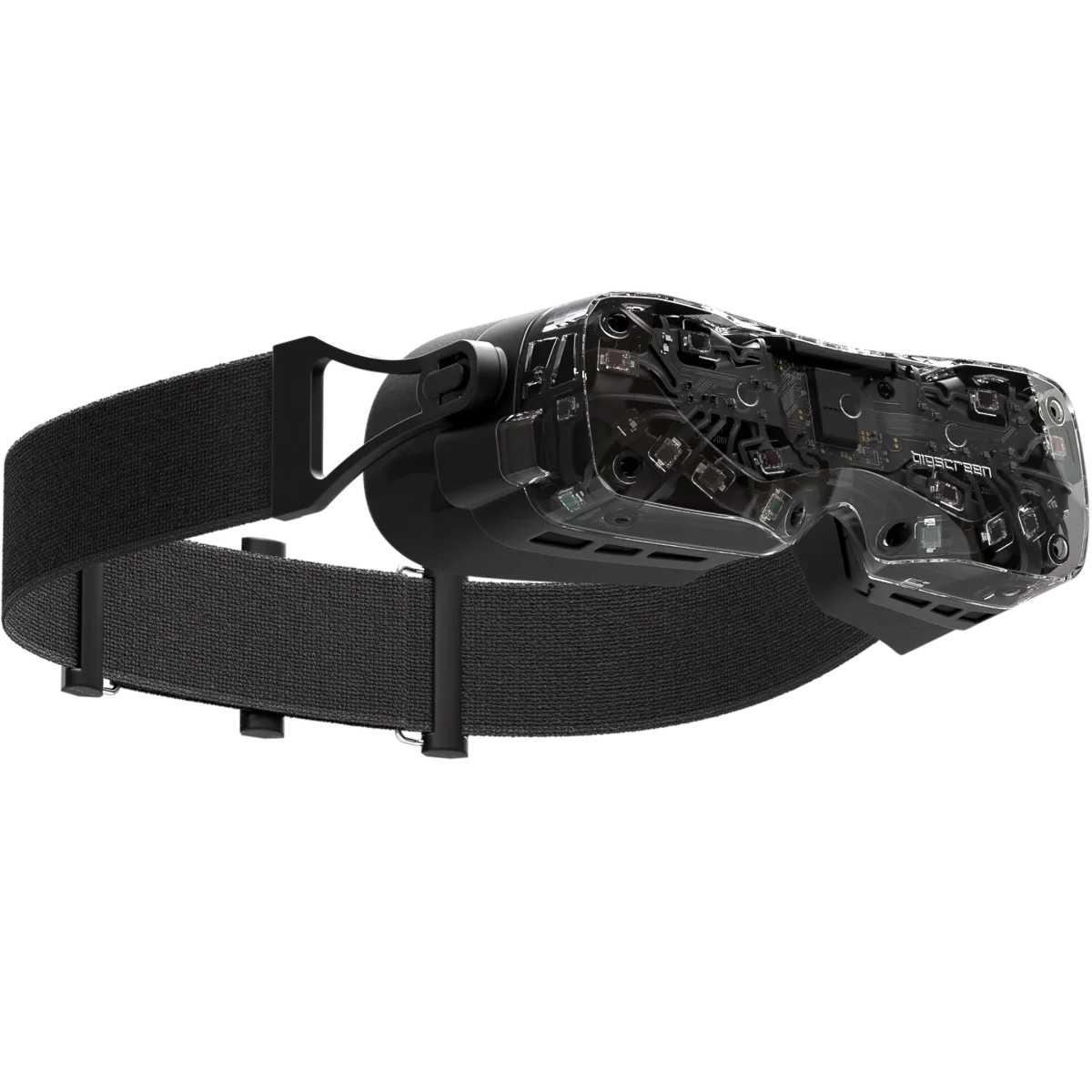
Bigscreen Beyond 2
VR headset · Bigscreen

Bigscreen Beyond 2

9.0Excellent · out of 10
  • Dual micro-OLED displays at 2560x2560 per eye (32 peak PPD), up to 90 Hz, 108° x 96° field of view (116° diagonal).
  • Headset weighs just 107 g (headset only), with per-eye adjustable IPD and pancake optics.
  • PC-only headset with SteamVR tracking: requires DisplayPort 1.4 with DSC, at least one SteamVR base station; base stations and controllers are not included.

3 criteria won · $959, checked on October 29, 2026
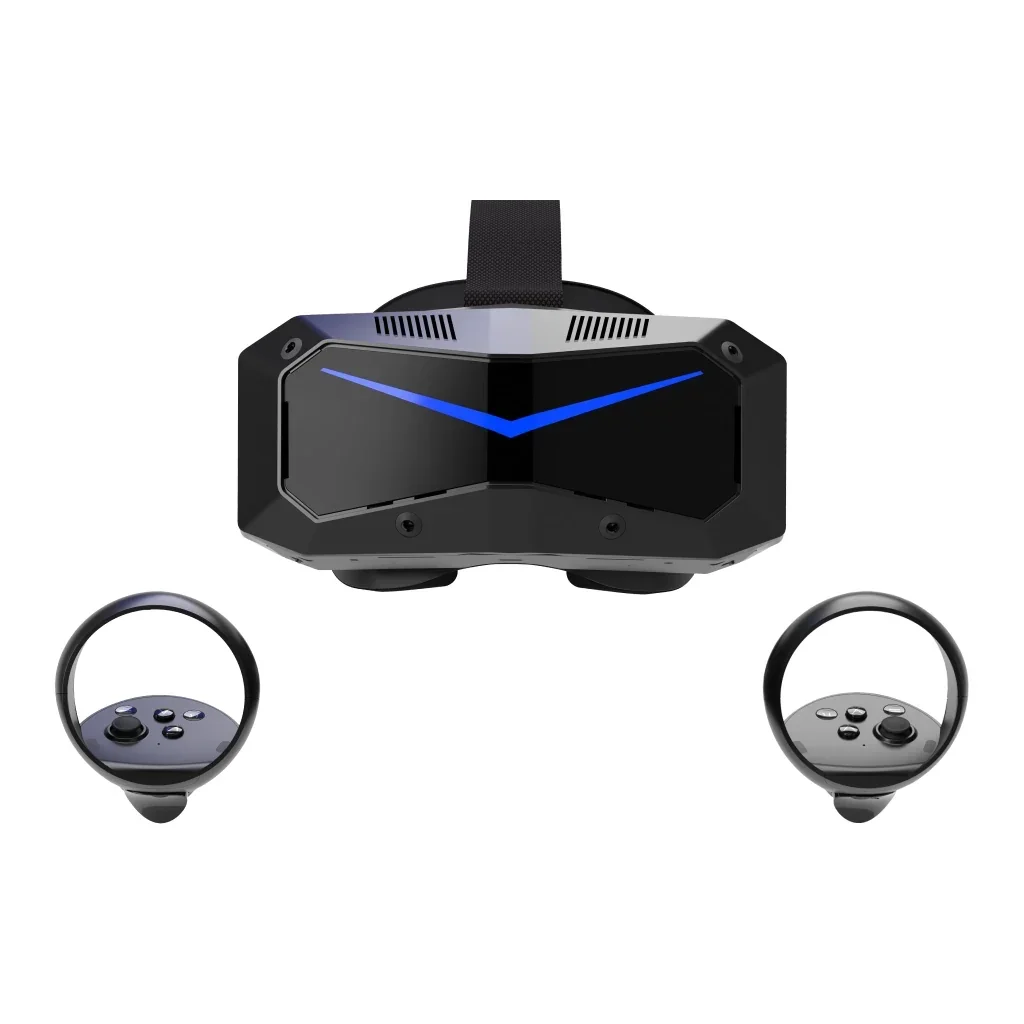
Pimax Crystal Super (QLED)
VR headset · Pimax

Pimax Crystal Super (QLED)

9.1Excellent · out of 10
  • Swappable QLED optical engines: 57 PPD (106° HFOV), 50 PPD (127°) or Ultrawide (140°), all 3840 x 3840 per eye
  • Built-in Tobii eye tracking for dynamic foveated rendering, 72/90 Hz refresh
  • QLED + Mini-LED local dimming (about 2,000 zones), glass aspheric lenses, two controllers in the box

4 criteria won · $1,599 $1,799, checked on October 29, 2026

View offer at Pimax · $1,599 ↗Spec comparisonOfficial store · Affiliate link

Images: manufacturers

Add a third product in the comparison tool ↗

Criterion by criterion

The best stated value is marked "Edge". If either manufacturer does not state a value, the criterion is left undecided.

CriterionBigscreen Beyond 2Pimax Crystal Super (QLED)
Calculated scoreEdge: the highest9.0/109.1/10
Checked priceEdge: the lowest$959$1,599
TypePC VRPC VR
ClarityEdge: pixels per degree, otherwise resolution per eye32 PPD57 PPD
Horizontal field of viewEdge: the widest108°106°
DisplayEdge: OLED, then mini-LED, then LCDOLEDMini-LED
Max refresh rate90 Hz90 Hz
PC connectionNative DisplayPortNative DisplayPort
TrackingEdge: scale from our methodologySteamVR LighthouseInside-out or Lighthouse
Eye trackingEdge: built inNoYes
VR controllers includedNoYes
Weight107 gNot stated
Warranty1 year1 year

Verdict by profile

No absolute winner: the right choice depends on your priority. Each verdict follows from the data above.

Tight budget

Bigscreen Beyond 2

Bigscreen Beyond 2 costs $640 less than Pimax Crystal Super (QLED), based on prices checked on October 29, 2026.

See the spec comparison ↗
Best score

Pimax Crystal Super (QLED)

Pimax Crystal Super (QLED) scores 9.1/10 against 9.0/10.

See the spec comparison ↗
Sharpest instruments

Pimax Crystal Super (QLED)

Pimax Crystal Super (QLED): 57 pixels per degree (3840 × 3840 per eye); Bigscreen Beyond 2: 32 pixels per degree (2560 × 2560 per eye).

See the spec comparison ↗
Widest view

Bigscreen Beyond 2

Bigscreen Beyond 2 states a 108° horizontal field of view, Pimax Crystal Super (QLED) 106°.

See the spec comparison ↗
Night flying

Bigscreen Beyond 2

Bigscreen Beyond 2 uses micro-OLED (500,000:1 contrast stated), pancake optics panels, Pimax Crystal Super (QLED) QLED + mini-LED with local dimming (about 2,000 zones), glass aspheric lenses: OLED pixels switch off for true blacks.

See the spec comparison ↗

Frequently asked questions

What is the difference between the Bigscreen Beyond 2 and the Pimax Crystal Super (QLED)?

Calculated score: 9.0/10 vs 9.1/10; Checked price: $959 vs $1,599; Clarity: 32 PPD vs 57 PPD; Horizontal field of view: 108° vs 106°.

Which one is cheaper?

The Bigscreen Beyond 2, at $959 against $1,599, based on US prices checked on October 29, 2026.

Which one has the better score?

The Pimax Crystal Super (QLED) scores 9.1/10 against 9.0/10.

Which one is sharper for reading the instruments?

Bigscreen Beyond 2: 32 pixels per degree (2560 × 2560 per eye). Pimax Crystal Super (QLED): 57 pixels per degree (3840 × 3840 per eye). On our clarity scale, the Pimax Crystal Super (QLED) comes out ahead.

How do they connect to a PC?

Bigscreen Beyond 2: DisplayPort 1.4 with DSC + 2× USB 3.0, through the Link Box and a 5 m fiber-optic cable. Pimax Crystal Super (QLED): DisplayPort 1.4a + USB-C; PC VR only, no wireless mode.

Is this head-to-head based on a hands-on test?

No. The comparison relies on manufacturer specs and checked US prices, with no hands-on test.