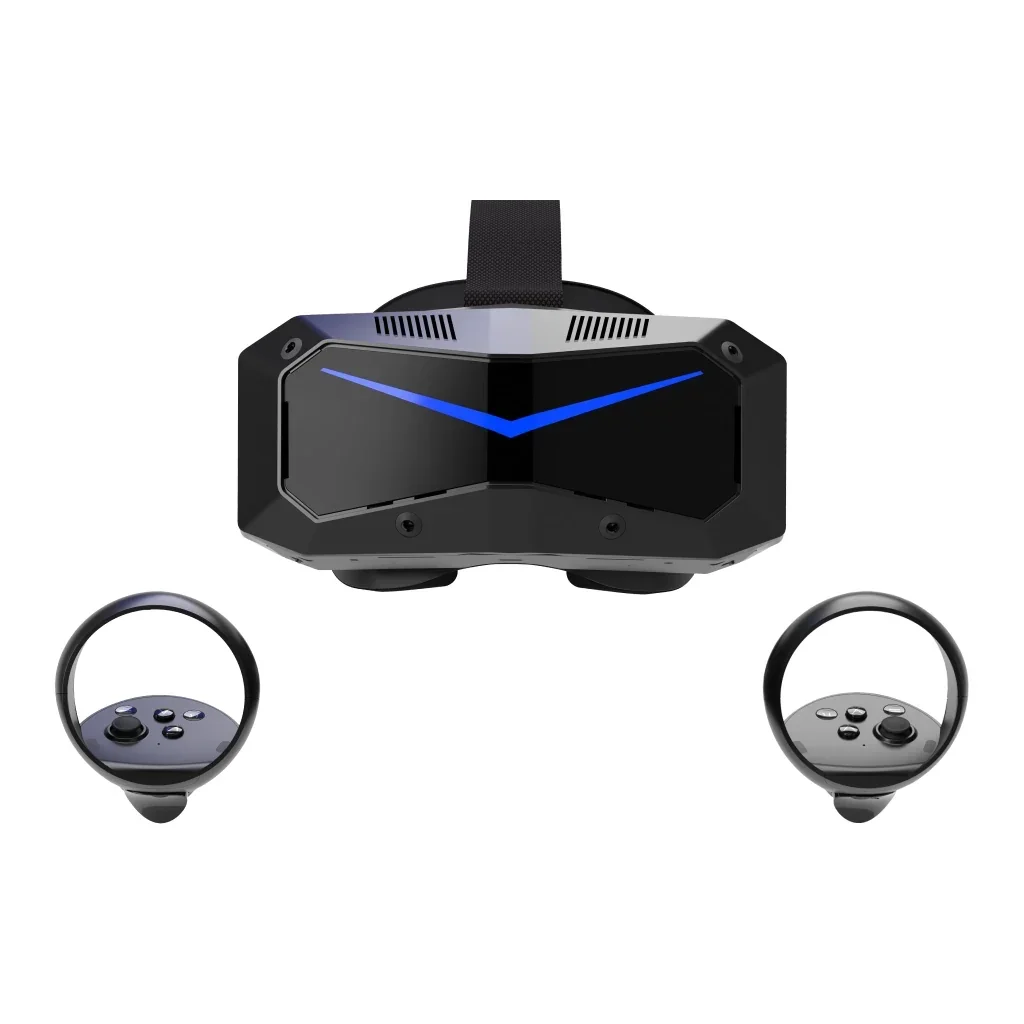
Pimax Crystal Super (QLED)
9.1Excellent · out of 10- 57 PPD, Mini-LED, 106°
- PC connection: native displayport
- Checked price: $1,599
Images: manufacturers
Spec-sheet comparison, not a hands-on test. We have not tried the Pimax Crystal Super (QLED) ourselves: the score and details are based on the official Pimax spec sheet and dated US prices.
57 PPD optical engine (106° horizontal), the version scored here; Ultrawide and 50 PPD engines at the same price
9.1Excellent · out of 10The sharpest headset in our data: 57 pixels per degree, from the optical engine Pimax itself recommends for flight sims. On October 29, 2026 it was $1,599 instead of $1,799, a sale with no end date stated by Pimax, so read the price as a snapshot.
US price checked on October 29, 2026
“Why Pimax Crystal Super is the LAST PCVR Headset You Will Ever Need” · Video by Pimax (official channel) on YouTube
| Brand | Pimax |
|---|---|
| Model | Crystal Super (QLED) |
| Version | 57 PPD optical engine (106° horizontal), the version scored here; Ultrawide and 50 PPD engines at the same price |
| Type | PC VR headset (wired) |
| Display | QLED + mini-LED with local dimming (about 2,000 zones), glass aspheric lenses |
| Resolution per eye | 3840 × 3840 |
| Pixels per degree | 57 PPD |
| Field of view | 106° horizontal |
| Max refresh rate | 72 or 90 Hz |
| PC connection | DisplayPort 1.4a + USB-C; PC VR only, no wireless mode |
| Tracking | Inside-out SLAM (4 cameras); optional Lighthouse faceplate (sold separately) |
| Eye tracking | Yes |
| Controllers included | Yes |
| Warranty | 1 year on the product (headset, controllers), 6 months on accessories |
PC VR headset (wired). PC connection: DisplayPort 1.4a + USB-C; PC VR only, no wireless mode. Flight controls (HOTAS, yoke, rudder pedals) connect to the PC and work alongside the headset.
Score out of 10, calculated in the VR headset category from the official spec sheet and the checked US price, then placed on our editorial scale. Not a hands-on test. Missing criteria are removed and weights renormalized.
| Raw score (weighted average) | 8.2/10 |
|---|---|
| Displayed score (editorial scale) | 9.1/10 |
| Clarity (PPD or resolution) (25%) | 10.0/10 |
|---|---|
| Horizontal field of view (10%) | 6.9/10 |
| Display type (15%) | 8.0/10 |
| Max refresh rate (5%) | 6.0/10 |
| PC connection (15%) | 10.0/10 |
| Tracking (5%) | 10.0/10 |
| Eye tracking (5%) | 10.0/10 |
| Weight (5%) | Not stated, criterion removed |
| Price (15%) | 4.2/10 |
VR headset, rated "Excellent" by our scoring: 9.1/10.
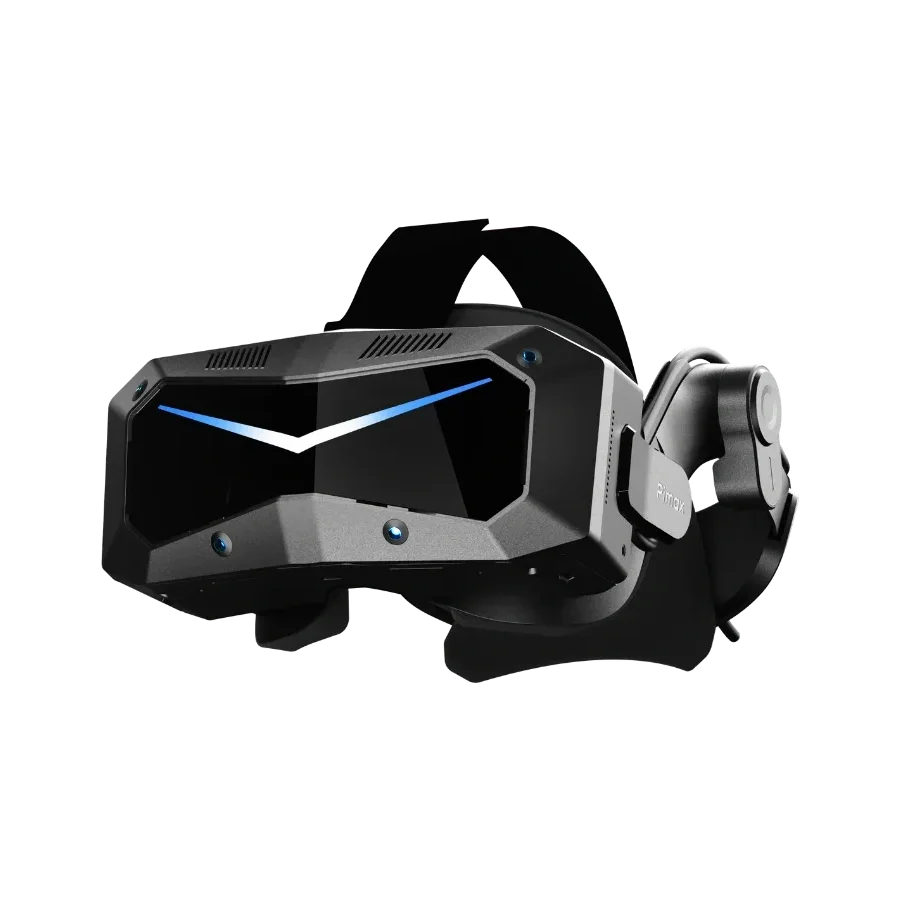
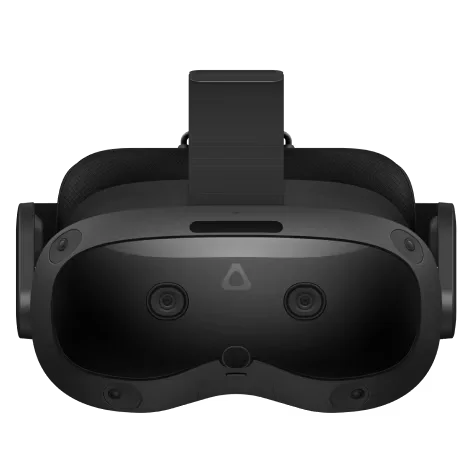
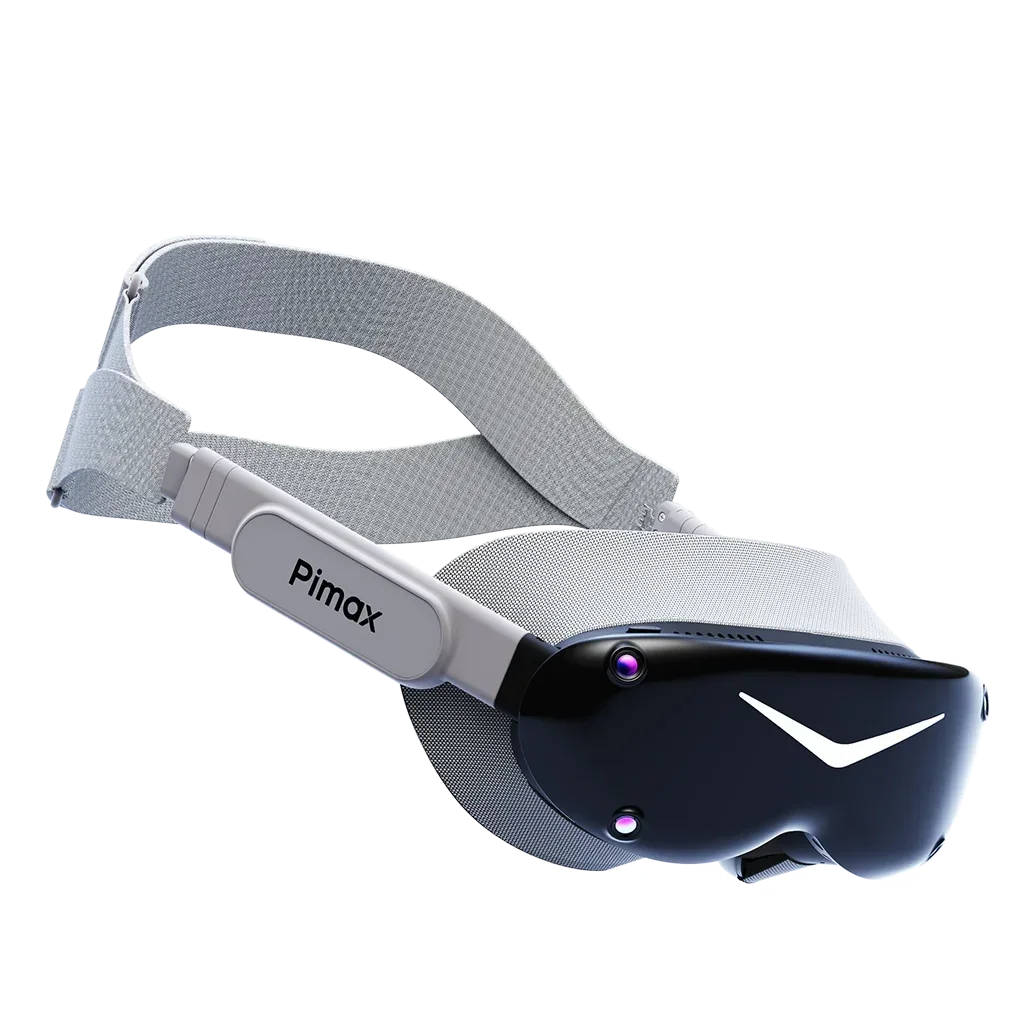
The two products in the same category with the closest price.
Clarity stated by Pimax: 3840 × 3840 pixels per eye over a 106° horizontal field of view. The higher the figure, the easier it is to read small cockpit labels and gauges.
57 PPD is where the small stuff starts to look readable on paper: FMC pages, radio frequencies, the labels on an overhead panel. That's more than double the Meta Quest 3's 25, on 3840 × 3840 pixels per eye.
The trade is field of view: 106° horizontal with this engine. Pimax sells two other engines at the same price, Ultrawide at 140° and 50 PPD at 127°, and that last one was out of stock on the check day. For reading instruments, the 57 is the one Pimax points pilots to. The panels are QLED with mini-LED local dimming over about 2,000 zones, behind glass aspheric lenses.
It's PC VR only, with no wireless mode: DisplayPort 1.4a plus USB-C. Tobii eye tracking is built in for dynamic foveated rendering, which matters when every eye has 3840 × 3840 pixels to fill. Refresh tops out at 90 Hz.
One blank to note before a long-haul session: Pimax hasn't published the weight yet. If comfort is the deciding factor, wait for that figure or look at the lighter headsets below.
Points taken from the official manufacturer spec sheet.
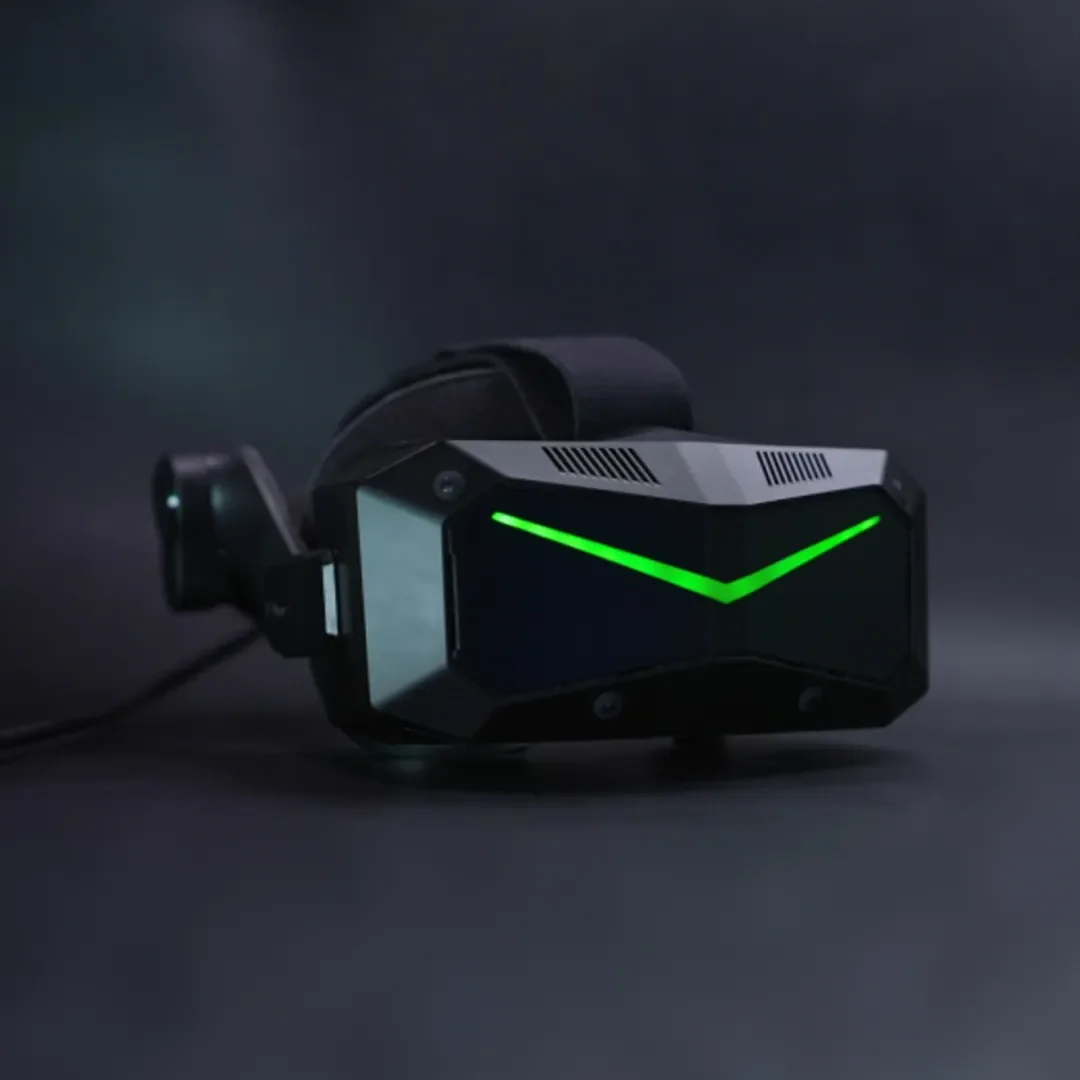
PC VR headset (wired). Connection: DisplayPort 1.4a + USB-C; PC VR only, no wireless mode. Tracking: Inside-out SLAM (4 cameras); optional Lighthouse faceplate (sold separately). In the box: headset with one optical engine, two controllers. Pimax has not published the weight yet ("TBD" on its comparison page). Built-in Tobii eye tracking for dynamic foveated rendering.
US price checked on October 29, 2026: $1,799, on sale that day for $1,599. "SuperOpen 2.0" sale on the check day, with no end date stated by Pimax. US price before sales tax; shipping not included. Versions: 57 PPD optical engine, 106° horizontal field of view: $1,599 (scored here); Ultrawide optical engine, 140° horizontal field of view: $1,599; 50 PPD optical engine, 127° horizontal field of view: out of stock on October 29, 2026. Linked merchant: Pimax. The price at the merchant is the one that applies.
Beyond 2 vs Crystal Super QLED is the classic trade: the Beyond 2 is $640 less and weighs 107 g, but stops at 32 PPD.
Fly mostly at night? The Pimax Crystal Super 8K Micro-OLED swaps in micro-OLED panels at 53 PPD for $600 more. The whole field is ranked in the best VR headsets for flight sim.
The Crystal Super QLED is the headset for pilots who want to read the panel, not guess it: 57 PPD, eye tracking and a DisplayPort link. Pimax listed it at $1,599 instead of $1,799 on October 29, 2026, before sales tax.
If clarity is the priority and your PC is ready, this is the one. Check today's price.
Official store · Affiliate link
Weighted average of the criteria: raw score 8.2/10, which is 9.1/10 on our editorial scale.
Weight: 26.3% of the overall score
Weight: 15.8% of the overall score
Weight: 15.8% of the overall score
Weight: 15.8% of the overall score
On paper, the Pimax Crystal Super (QLED) offers 57 pixels per degree (3840 × 3840 per eye), a 106° horizontal field of view, a direct DisplayPort video link from the PC, without the video compression used by Wi-Fi or USB streaming. Pimax recommends the 57 PPD optical engine, the version scored here, for flight sims. PC flight sims such as Microsoft Flight Simulator 2024, X-Plane 12 and DCS World run in VR through OpenXR or SteamVR: check the VR requirements of your sim before buying. This is a spec-sheet comparison, not a hands-on test.
Pimax states 57 PPD with 3840 × 3840 pixels per eye. Pixels per degree (PPD) measure how many pixels cover one degree of your view: the higher the figure, the easier it is to read small gauges, switch labels and the text on flight displays without leaning in.
DisplayPort 1.4a + USB-C; PC VR only, no wireless mode. The headset receives the video signal directly from the graphics card.
No. Inside-out SLAM (4 cameras); optional Lighthouse faceplate (sold separately).
Yes: your HOTAS, yoke and rudder pedals connect to the PC, not to the headset, so any PC flight control works alongside it. In VR you cannot see your hands, so controls you can find by feel help.
The Pimax Crystal Super (QLED) scores 9.1/10 ("Excellent") in the VR headset category, ranking 2 of 12. The score is calculated from the official specs and the checked US price, with no hands-on test.
The US price checked on October 29, 2026 is $1,599 on sale (regular price $1,799). It may have changed since.
We link to Pimax. Some links are affiliate links and are labeled next to the button.
No. This page is a spec-sheet comparison, not a hands-on test: we have not handled the product. All information comes from the official Pimax spec sheet and dated US prices.
With your consent, we use Google Analytics to measure the site's audience. If you decline, no measurement cookie is set. Learn more